Our philosophy
the forsmanship Method
One language. Every horse. Every discipline.
Before we can teach the horse, we have to understand how the horse sees us.
Forsmanship is not a collection of techniques for making a horse do what we want. It is a way of understanding horses and communicating with them.
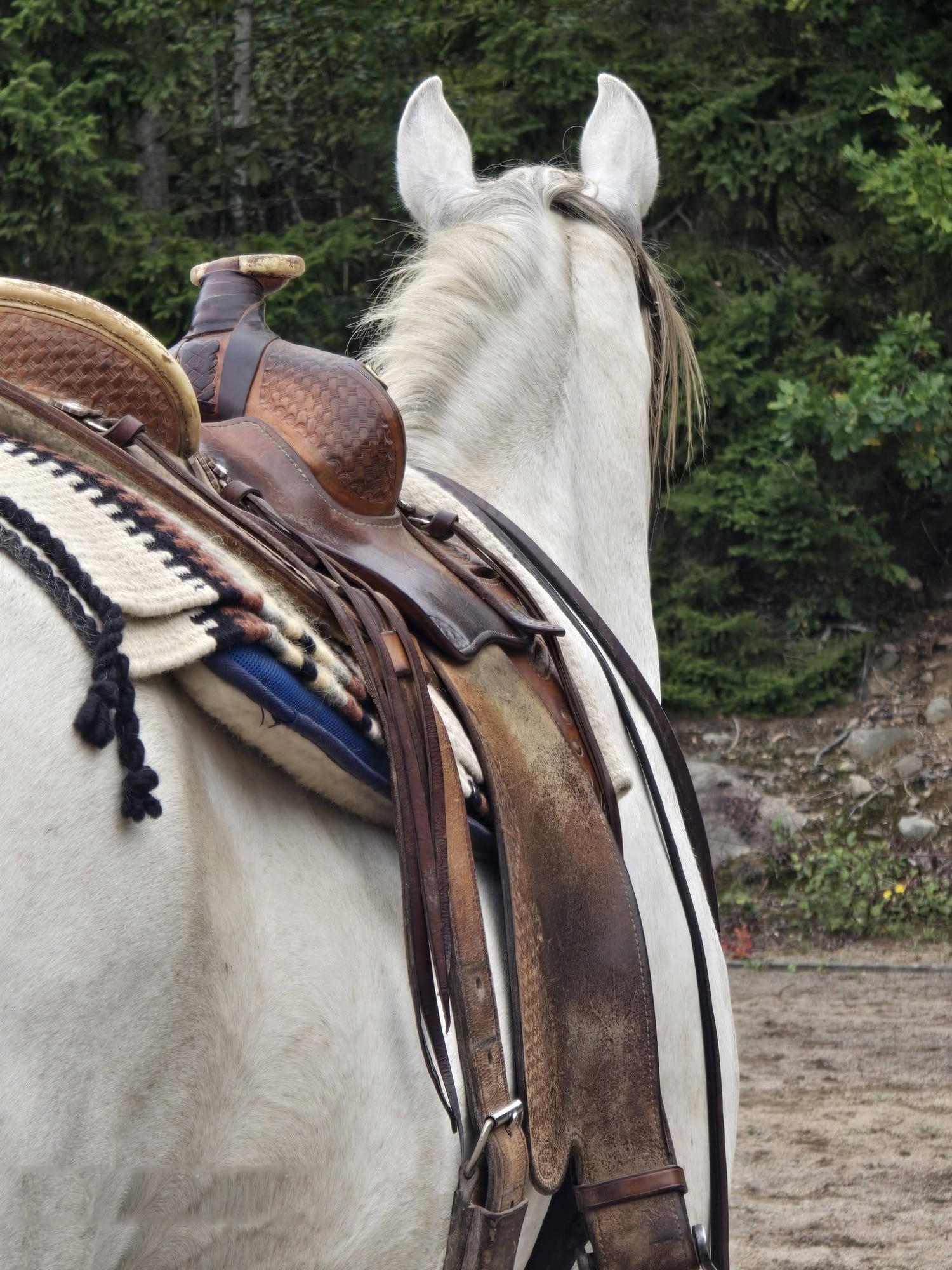
Psychology
The Principles Stay the Same. The Horse Does Not.
At its foundation is a simple principle: horses are horses.
They may differ in breed, ability, temperament, experience, and intelligence, but they all respond to the same fundamental principles of communication.
Our job is not to make the horse fit a method.
It is to understand the horse and apply the principles clearly enough for him to understand us.
No two horses are identical. Some learn quickly, some need more time. Some are sensitive, some are strong-minded. Their history also shapes how they respond.
We take these differences seriously, but we do not create a different language for every horse.
The principles remain constant. Their application changes.
Clarity creates confidence. Confidence creates willingness.
be as gentle as possible but as firm as necessary
Horses do not understand our goals, our schedules, or the reasons behind what we ask. They understand what we communicate through our body, our intention, our signals, our timing, our energy, and our release. When those signals are unclear or inconsistent, the horse has to guess. When they are clear and fair, the horse can understand.
Energy & Intention
Energy is intention made perceptible.
Horses communicate through more than physical contact.
Their posture, movement, focus, tension, presence, and intention all carry meaning. This is a language they can also understand from us.
If we ask a horse to stop, our whole presence must communicate stop.
If we establish a boundary, our energy must become clear and solid.
If we invite the horse toward us, that invitation must be genuine.
The horse feels the difference between a mechanical signal and a real intention.
When mind, body, and intention say the same thing, the horse has something he can understand.
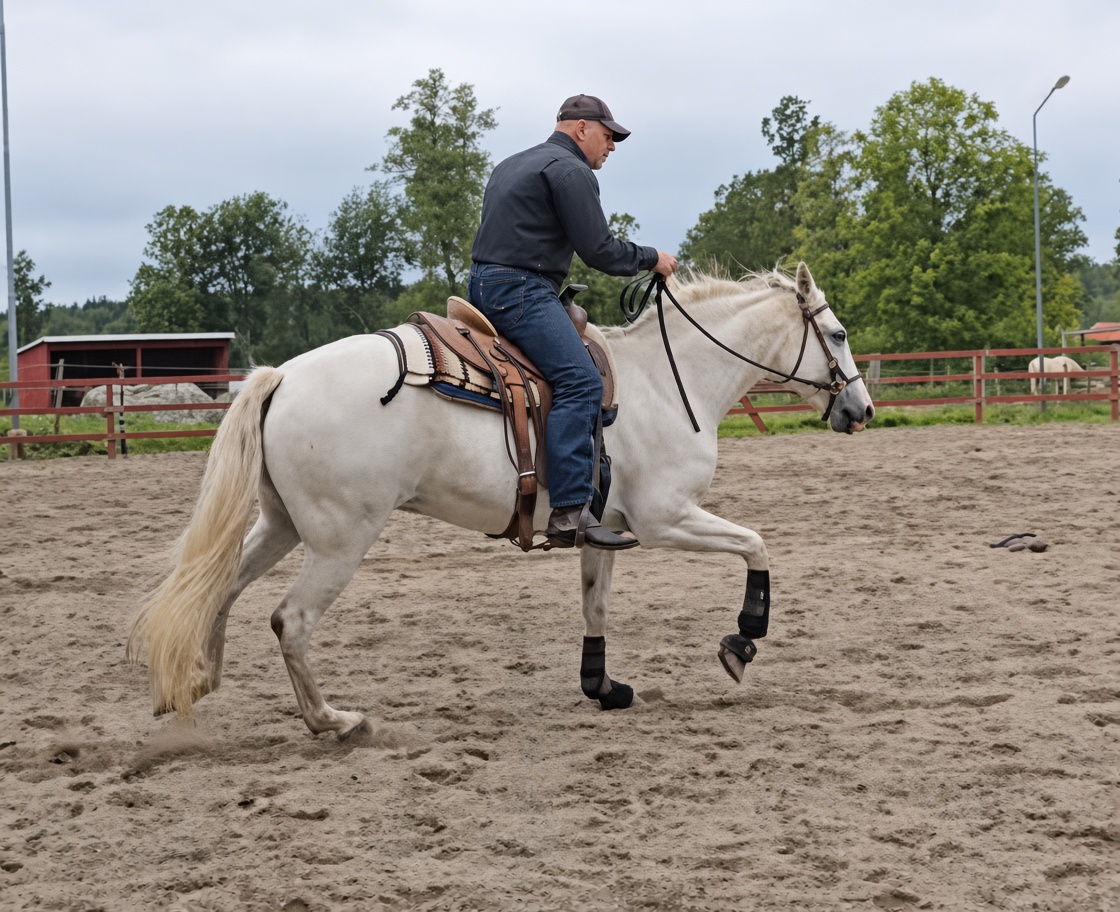
Uncompromisable
Meet the horse where he was built to be, not where it is convenient for you.
Clarity creates confidence. Confidence creates willingness.
1. Timing is learning
A cue by itself does not teach a horse. Timing does.
Horses learn from the moment pressure is released and from the connection between their response and that release. A moment too soon or too late can change the meaning completely.
Good timing creates understanding, builds confidence, and develops trust.
2. Consistency Creates confidence
A horse should not have to guess what a signal means from one moment to the next.
When our boundaries, signals, and expectations are consistent, the horse knows what to expect. He can stop worrying about conflicting information and concentrate on finding the right answer. Consistency is not rigidity, it means the horse can trust the meaning of what we communicate.
3. Fairness Builds Trust
Horses have no concept of whether they are supposed to be a family horse, a competition horse, or a champion. They are simply horses. They respond to what is clear, understandable, and fair. Fairness means asking for what the horse can reasonably understand, recognizing the smallest correct response, and releasing at the right moment. When a horse learns that our requests are fair and predictable, trust can develop.
Understanding the Individual horse is Adaptation Without Compromise
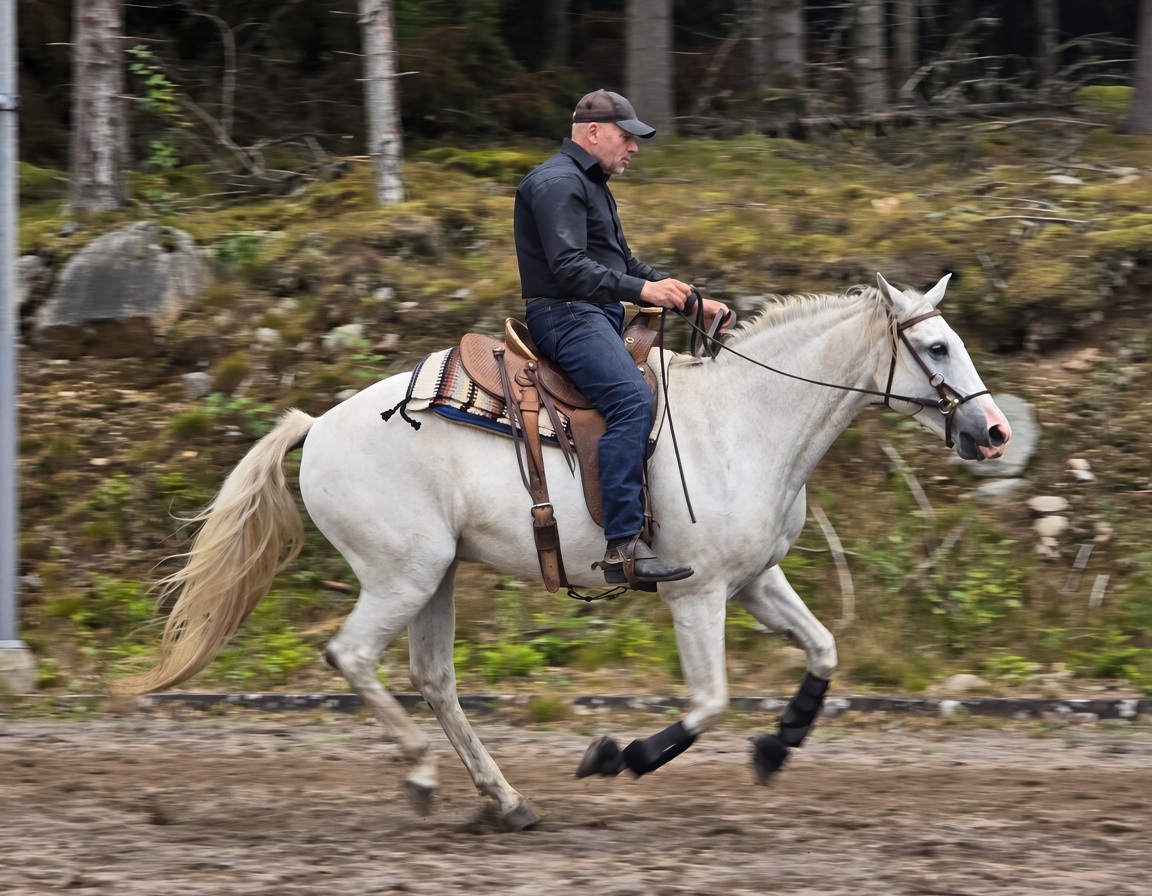
Adaptation Without Compromise
Adapting to a horse does not mean lowering standards or allowing unwanted behavior. It means understanding how this particular horse learns and finding the clearest way to communicate with him. The principles remain the same. The timing, pace, intensity, and presentation may change. A highly sensitive horse may require subtlety. A confident, strong minded horse may require greater clarity and consistency. A horse with a difficult history may first need to develop enough security to be able to learn. We adapt the communication, not the principles.
That is where real training begins.
when a horse becomes able to think.
From Reaction to Understanding
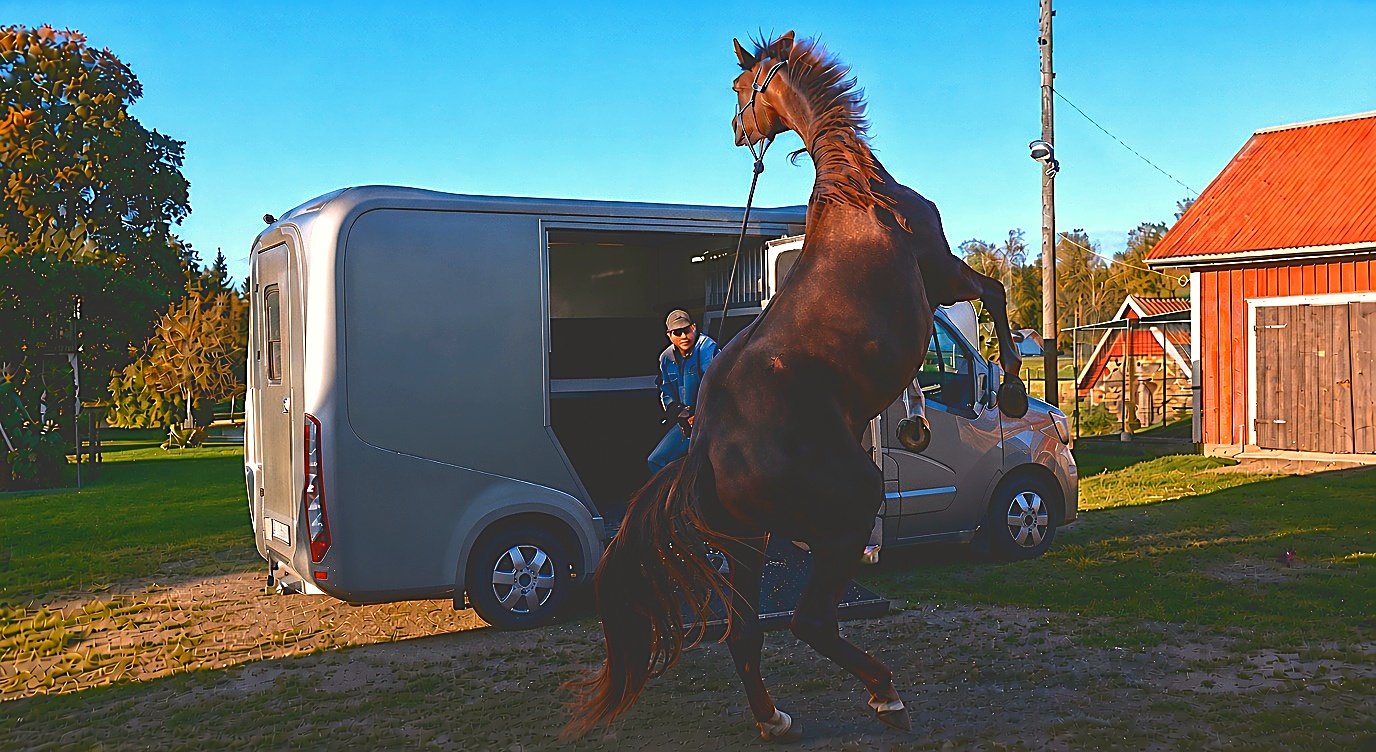
When a horse does not understand, he may react with tension, resistance, avoidance, or shutdown. Our goal is not simply to suppress the reaction.
It is to find the source of the misunderstanding and make the communication clear enough that the horse no longer needs to react that way. When the horse understands what is being asked, knows that the boundaries are fair, and trusts the person communicating with him, something changes.
He becomes able to think.
That is where real training begins.
– Do less. Feel more.-
Ready to begin?
Take the Next Step
Whether you want to deepen your understanding or work directly with your horse, the next step is simple.